How Advanced Materials (Aluminum Carbon Fiber) Impact Collision Repairs
January 7, 2026

Modern vehicles use lightweight materials for safety and performance

—but repairing them after a collision requires

specialized care and expertise.

Cars today are built very differently than they were even ten years ago. To improve safety, fuel efficiency, and performance, manufacturers now rely on advanced materials like aluminum and carbon fiber.

While these materials offer major benefits, they also change how collision repairs must be handled after an accident. At VICE, we understand how these materials affect repair decisions, insurance claims, and overall vehicle safety. Knowing the difference can help protect both your vehicle and your case.

Modern vehicles use lightweight materials for safety and performance

—but repairing them after a collision requires

specialized care and expertise.

Cars today are built very differently than they were even ten years ago. To improve safety, fuel efficiency, and performance, manufacturers now rely on advanced materials like aluminum and carbon fiber.

While these materials offer major benefits, they also change how collision repairs must be handled after an accident. At VICE, we understand how these materials affect repair decisions, insurance claims, and overall vehicle safety. Knowing the difference can help protect both your vehicle and your case.

Why Automakers Use Advanced Materials

Aluminum and carbon fiber are lighter and stronger than traditional steel. Automakers use them to:

  • Reduce vehicle weight
  • Improve fuel efficiency and range
  • Increase crash safety through better energy absorption
  • Support advanced safety systems and vehicle design

You’ll often find aluminum in hoods, doors, frames, and suspension components. Carbon fiber appears in higher-end vehicles, performance cars, and some electric models.

Why Automakers Use Advanced Materials

Aluminum and carbon fiber are lighter and stronger than traditional steel. Automakers use them to:

  • Reduce vehicle weight
  • Improve fuel efficiency and range
  • Increase crash safety through better energy absorption
  • Support advanced safety systems and vehicle design

You’ll often find aluminum in hoods, doors, frames, and suspension components. Carbon fiber appears in higher-end vehicles, performance cars, and some electric models.

How Aluminum Changes

Collision Repairs

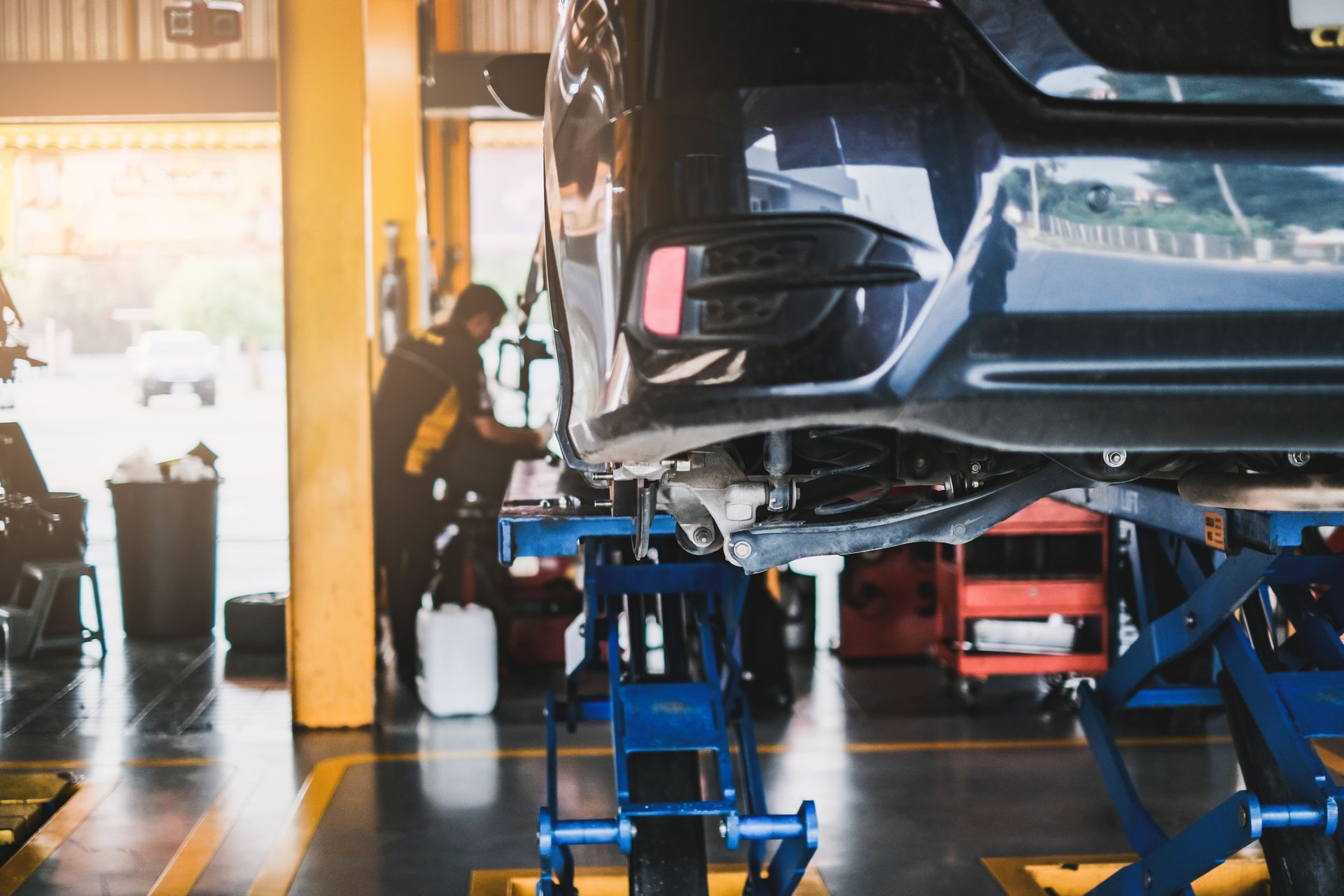
Aluminum behaves very differently than steel during a collision. It doesn’t bend the same way, and once it’s damaged, it often can’t be reshaped safely.

This means:

  • Aluminum parts may need full replacement instead of repair
  • Repairs require isolated work areas to avoid contamination from steel dust
  • Special tools and trained technicians are necessary

If aluminum repairs aren’t done correctly, the vehicle’s structural integrity and safety can be compromised. That’s why not every shop is equipped to handle these repairs properly.
Carbon Fiber Repairs Are Even More Complex

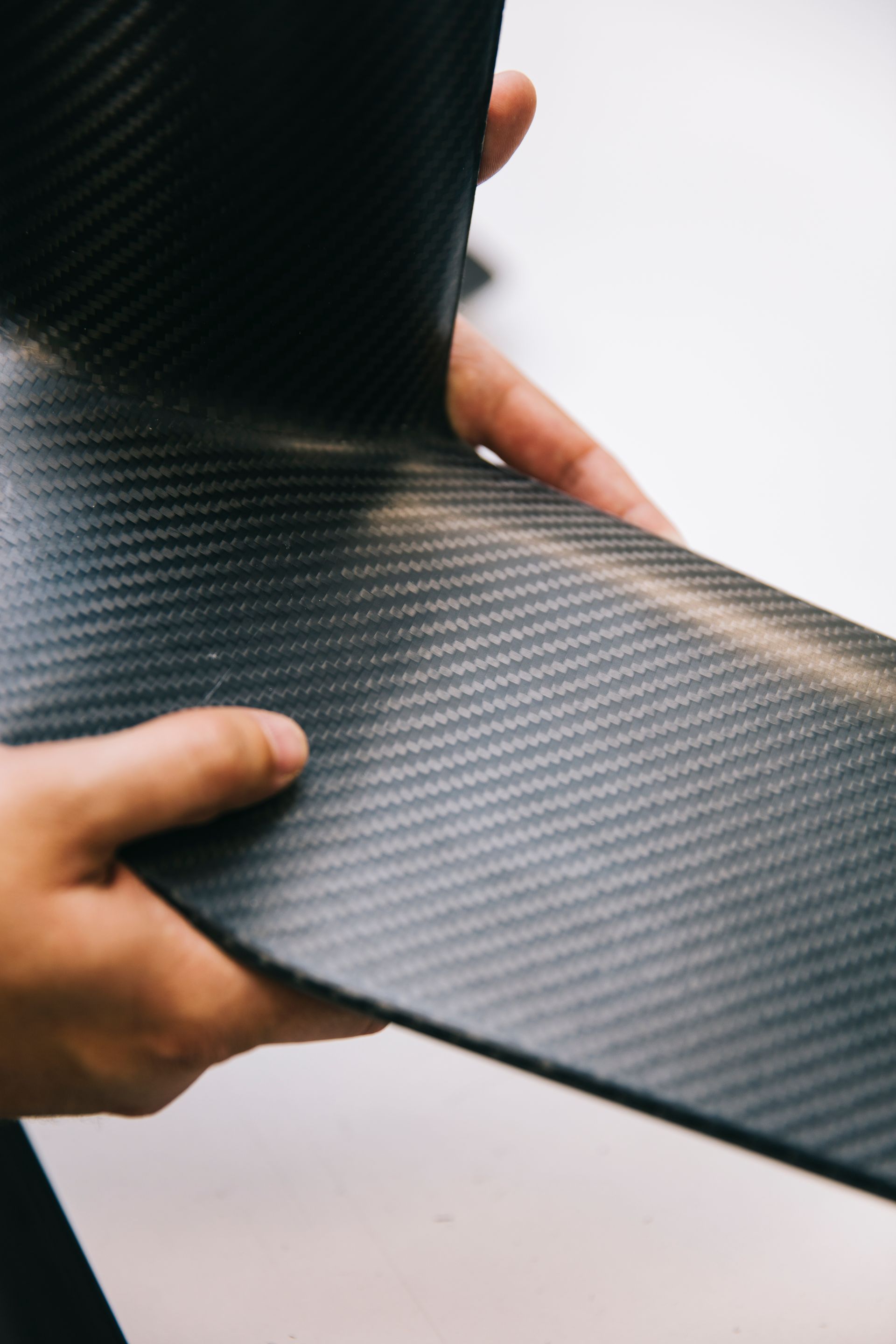
Carbon fiber is extremely strong—but when it’s damaged, repairs become highly specialized. Instead of bending or denting, carbon fiber can crack or delaminate beneath the surface.

Proper carbon fiber repairs require:

  • Detailed inspections to detect hidden damage
  • Manufacturer-approved repair methods
  • Strict temperature and curing controls
  • Skilled technicians trained specifically in composite materials

In many cases, damaged carbon fiber components must be replaced entirely to maintain safety standards.

Carbon Fiber Repairs Are Even More Complex

Carbon fiber is extremely strong—but when it’s damaged, repairs become highly specialized. Instead of bending or denting, carbon fiber can crack or delaminate beneath the surface.

Proper carbon fiber repairs require:

  • Detailed inspections to detect hidden damage
  • Manufacturer-approved repair methods
  • Strict temperature and curing controls
  • Skilled technicians trained specifically in composite materials

In many cases, damaged carbon fiber components must be replaced entirely to maintain safety standards.

Why Advanced Materials Affect Repair Costs and Timelines

Because aluminum and carbon fiber repairs demand special tools, training, and parts, they often increase both repair costs and timelines.


Insurance companies may question these costs, especially if they’re unfamiliar with the requirements. This is where expert oversight matters—cutting corners on advanced materials can lead to unsafe repairs and future issues.

How VICE Protects

Clients and Attorneys

At VICE, we manage collision repairs involving advanced materials with precision and transparency.

We do this by:

  • Working only with repair partners trained in aluminum and carbon fiber repairs
  • Ensuring OEM repair procedures are followed
  • Communicating directly with insurance companies to justify proper repair methods
  • Providing clear documentation for attorneys to support claims and settlements

This approach ensures vehicles are restored to pre-accident condition—safely and correctly.

How VICE Protects

Clients and Attorneys

At VICE, we manage collision repairs involving advanced materials with precision and transparency.

We do this by:

  • Working only with repair partners trained in aluminum and carbon fiber repairs
  • Ensuring OEM repair procedures are followed
  • Communicating directly with insurance companies to justify proper repair methods
  • Providing clear documentation for attorneys to support claims and settlements

This approach ensures vehicles are restored to pre-accident condition—safely and correctly.

Why This Matters for Safety and Value

Improper repairs to aluminum or carbon fiber can affect crash performance, void warranties, and reduce resale value. For attorneys, this can weaken property damage claims. For vehicle owners, it can put safety at risk. Choosing a collision repair partner who understands advanced materials isn’t optional—it’s essential.

As vehicles continue to evolve, collision repairs must evolve with them. Aluminum and carbon fiber offer major benefits, but only when repaired using the right methods and expertise. At VICE, we make sure advanced materials are treated with the care they demand. From insurance negotiations to final inspections, we protect your vehicle, your safety, and your peace of mind—every step of the way.


Know someone driving a modern or high-performance vehicle? Share this blog to help them understand why advanced materials require specialized collision repair expertise.