
What Information Should I Collect After a Car Accident?
The moments after a crash can feel overwhelming. Knowing what information to collect can protect your claim, your vehicle, and your next steps.
The moments after a crash can feel overwhelming. Knowing what information to collect can protect your claim, your vehicle, and your next steps.
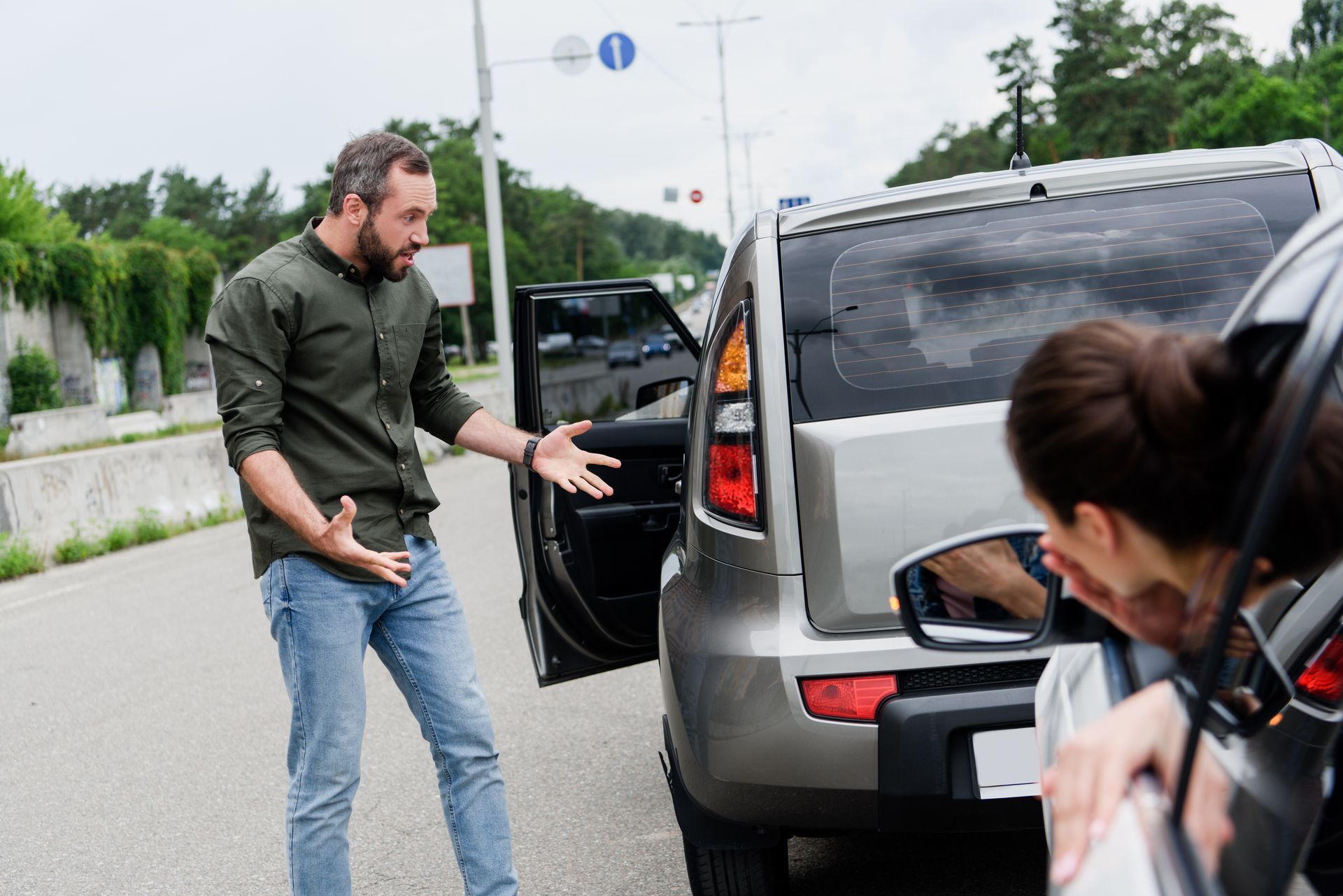
A car accident can happen fast—but what you do right after matters. One of the most important steps is collecting the right information at the scene. Many drivers don’t realize that missing details can delay insurance claims, affect repair timelines, and even impact legal cases. At VICE, we work with clients and attorneys who rely on accurate documentation to move the process forward. This guide breaks down exactly what you should collect after an accident to protect yourself and your vehicle.
A car accident can happen fast—but what you do right after matters. One of the most important steps is collecting the right information at the scene. Many drivers don’t realize that missing details can delay insurance claims, affect repair timelines, and even impact legal cases. At VICE, we work with clients and attorneys who rely on accurate documentation to move the process forward. This guide breaks down exactly what you should collect after an accident to protect yourself and your vehicle.
1. Driver and Vehicle Information
Start by gathering basic information from all drivers involved in the accident. This is essential for filing an insurance claim.
Be sure to collect:
- Full name and contact information
- Driver’s license number
- License plate number
- Vehicle make, model, and color
- Insurance company and policy number (if available)
Even if the other driver is uninsured, their personal and vehicle information is still important.
2. Photos of the Accident Scene
Photos are one of the most valuable forms of evidence after a collision. They provide a clear, visual record of what happened.
Take photos of:
- All vehicle damage (close-up and wide shots)
- The position of vehicles on the road
- Street signs, signals, and intersections
- Skid marks or debris
- Weather and road conditions
The more detail you capture, the easier it is to support your claim and repair estimate.
1. Driver and Vehicle Information
Start by gathering basic information from all drivers involved in the accident. This is essential for filing an insurance claim.
Be sure to collect:
- Full name and contact information
- Driver’s license number
- License plate number
- Vehicle make, model, and color
- Insurance company and policy number (if available)
Even if the other driver is uninsured, their personal and vehicle information is still important.
2. Photos of the Accident Scene
Photos are one of the most valuable forms of evidence after a collision. They provide a clear, visual record of what happened.
Take photos of:
- All vehicle damage (close-up and wide shots)
- The position of vehicles on the road
- Street signs, signals, and intersections
- Skid marks or debris
- Weather and road conditions
The more detail you capture, the easier it is to support your claim and repair estimate.
3. Police Report Details
If law enforcement responds to the scene, make sure to collect key information related to the report.
This includes:
- Officer’s name and badge number
- Police department
- Report number
- Instructions on how to obtain the full report
A police report adds credibility to your claim and can help establish fault.
4. Witness Information
If there are witnesses, ask for their contact information. Independent statements can support your version of events.
Try to collect:
- Name
- Phone number
- Brief statement (if they are willing)
Witnesses can be especially helpful if there are disputes about what happened.
3. Police Report Details
If law enforcement responds to the scene, make sure to collect key information related to the report.
This includes:
- Officer’s name and badge number
- Police department
- Report number
- Instructions on how to obtain the full report
A police report adds credibility to your claim and can help establish fault.
4. Witness Information
If there are witnesses, ask for their contact information. Independent statements can support your version of events.
Try to collect:
- Name
- Phone number
- Brief statement (if they are willing)
Witnesses can be especially helpful if there are disputes about what happened.
5. Insurance Claim Details
Once the accident is reported, your insurance company will assign a claim number. This number connects everything—repairs, estimates, and communication.
Keep track of:
- Your claim number
- Insurance adjuster’s contact information
- Claim status updates
This information will be used throughout the repair process.
6. Notes About the Accident
Right after the accident, take a moment to write down what you remember. Details can fade quickly.
Include notes such as:
- Time and location of the accident
- Direction each vehicle was traveling
- What happened just before the collision
- Any statements made at the scene
These notes can help support your claim later.
5. Insurance Claim Details
Once the accident is reported, your insurance company will assign a claim number. This number connects everything—repairs, estimates, and communication.
Keep track of:
- Your claim number
- Insurance adjuster’s contact information
- Claim status updates
This information will be used throughout the repair process.
6. Notes About the Accident
Right after the accident, take a moment to write down what you remember. Details can fade quickly.
Include notes such as:
- Time and location of the accident
- Direction each vehicle was traveling
- What happened just before the collision
- Any statements made at the scene
These notes can help support your claim later.
How VICE Helps
After an Accident
At VICE, we help simplify the process once the initial information is collected.
We assist by:
- Arranging towing if your vehicle isn’t drivable
- Performing detailed inspections and estimates
- Communicating with insurance companies
- Coordinating repairs with trusted shops
- Keeping both clients and attorneys updated
Having the right information from the start allows us to move the process forward faster and more accurately.
Collecting the right information after a car accident is one of the most important steps you can take. It protects your insurance claim, supports your repairs, and helps avoid delays. At VICE, we take that information and turn it into a clear, organized repair process. From documentation to final repairs, we help ensure everything is handled with accuracy and transparency.
How VICE Helps After an Accident
At VICE, we help simplify the process once the initial information is collected.
We assist by:
- Arranging towing if your vehicle isn’t drivable
- Performing detailed inspections and estimates
- Communicating with insurance companies
- Coordinating repairs with trusted shops
- Keeping both clients and attorneys updated
Having the right information from the start allows us to move the process forward faster and more accurately.
Collecting the right information after a car accident is one of the most important steps you can take. It protects your insurance claim, supports your repairs, and helps avoid delays. At VICE, we take that information and turn it into a clear, organized repair process. From documentation to final repairs, we help ensure everything is handled with accuracy and transparency.
How VICE Helps After an Accident
At VICE, we help simplify the process once the initial information is collected.
We assist by:
- Arranging towing if your vehicle isn’t drivable
- Performing detailed inspections and estimates
- Communicating with insurance companies
- Coordinating repairs with trusted shops
- Keeping both clients and attorneys updated
Having the right information from the start allows us to move the process forward faster and more accurately.
Collecting the right information after a car accident is one of the most important steps you can take. It protects your insurance claim, supports your repairs, and helps avoid delays. At VICE, we take that information and turn it into a clear, organized repair process. From documentation to final repairs, we help ensure everything is handled with accuracy and transparency.