What Should I Do If the Other Driver Doesn’t Have Insurance?
An accident with an uninsured driver can feel overwhelming.
Understanding your options can help you protect your vehicle, your finances, and your claim.
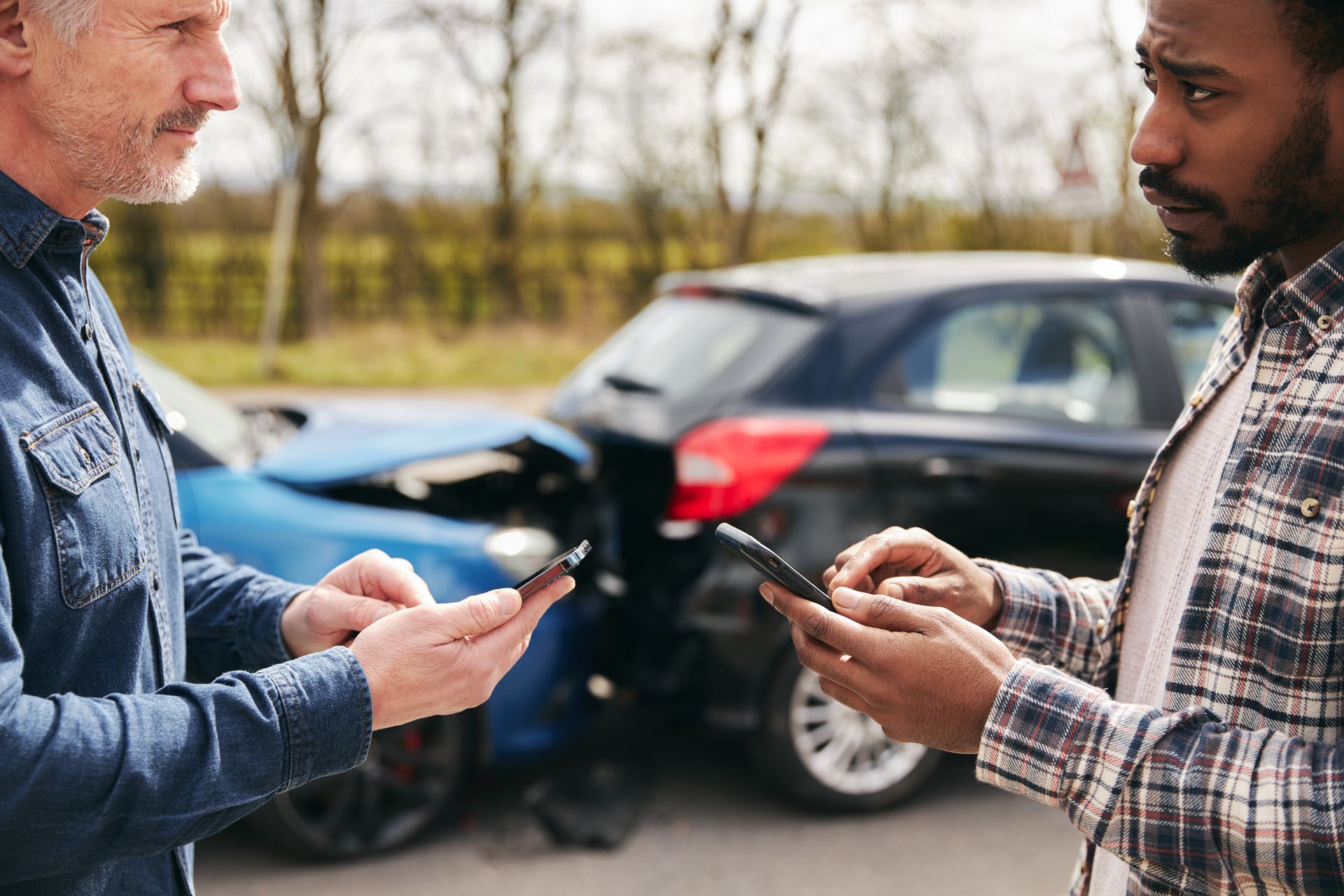
Getting into a car accident is stressful enough. Learning that the other driver doesn’t have insurance can make the situation even more confusing. Many drivers assume that without insurance coverage from the other party, they will be stuck paying for everything themselves. Fortunately, that isn’t always the case.
At VICE, we work with clients and attorneys every day who face this exact situation. Understanding the steps to take after an accident with an uninsured driver can help protect your vehicle and ensure the repair process moves forward.
Step 1: Stay Calm and Call the Police
If the other driver does not have insurance, the first step is to contact law enforcement immediately. A police report creates an official record of the accident and documents that the driver was uninsured.
This report becomes important for several reasons:
- It helps establish fault in the accident
- It provides documentation for your insurance company
- It may support legal action if necessary
Always request a copy of the police report or ask how to obtain one later.
Step 2: Gather Evidence at the Scene
Even when the other driver lacks insurance, documenting the accident is critical. The more information you collect, the easier it becomes to support your claim.
Important information includes:
- Photos of all vehicle damage
- Photos of the accident scene and road conditions
- The other driver’s name and contact information
- License plate numbers
- Contact details for any witnesses
This evidence can help insurance companies and attorneys understand exactly what happened.
Step 3: Contact Your Insurance Company
Many drivers carry Uninsured Motorist (UM) or Uninsured Motorist Property Damage (UMPD) coverage. This type of coverage can help pay for repairs when the at-fault driver does not have insurance.
Your insurance provider will review the accident and determine what coverage applies. Depending on your policy, they may cover:
- Vehicle repair costs
- Medical expenses
- Rental vehicle coverage
- Other damages related to the accident
Understanding your policy can make a big difference in how quickly the situation is resolved.
Step 4: Consider Legal Guidance
In some cases, attorneys may become involved when an uninsured driver causes significant damage or injuries. Legal professionals can help determine whether compensation may be pursued through other channels.
Attorneys also rely on accurate documentation of vehicle damage. That is why proper estimates and repair coordination play such an important role in these cases.
Step 5: Arrange for Vehicle Inspection and Repairs
Even when the other driver lacks insurance, your vehicle still needs proper inspection and repairs. Hidden damage, structural issues, or safety system misalignment may not be visible at first.
At VICE, we help manage the property damage side of the claim by:
- Arranging vehicle towing when needed
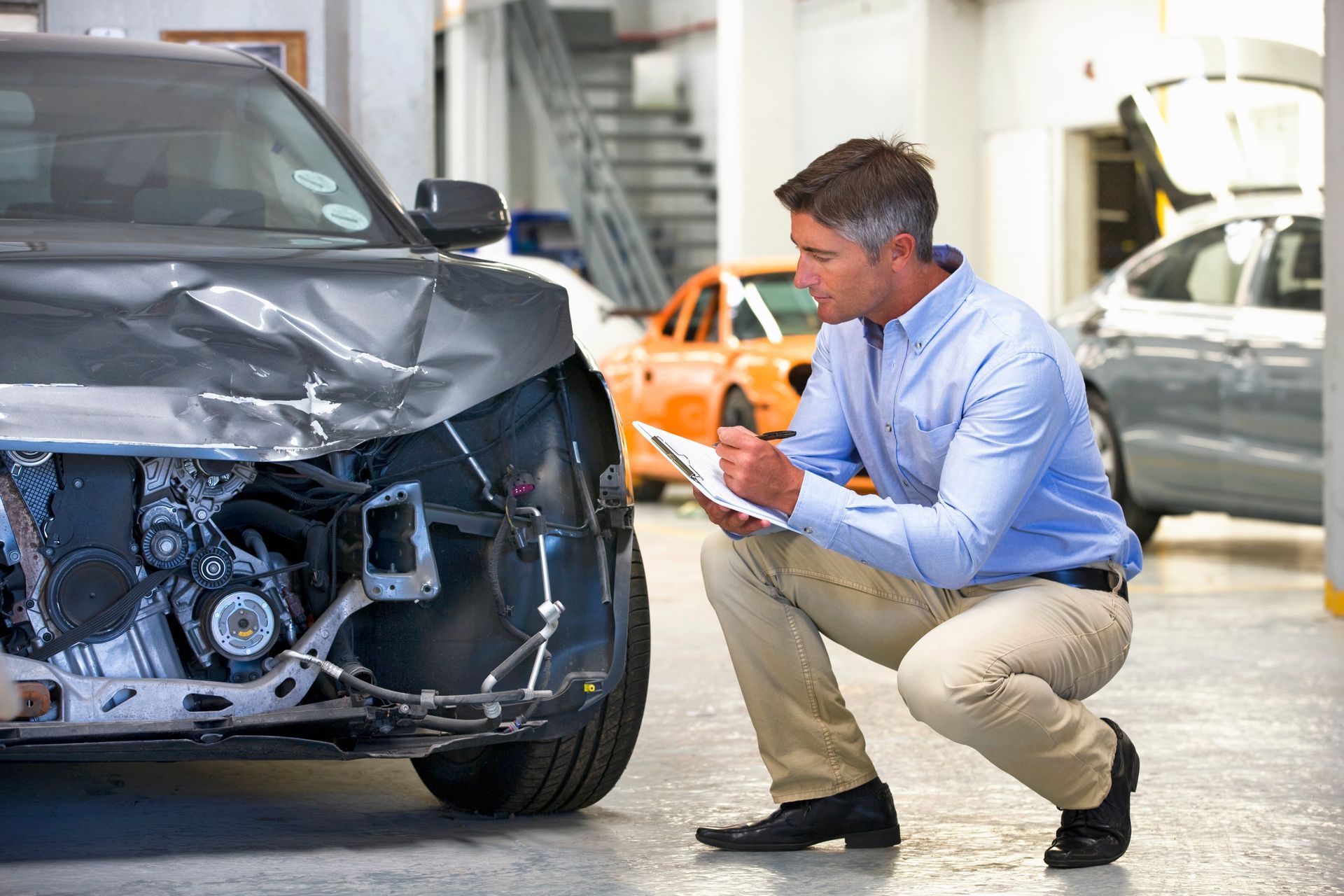
- Performing detailed damage inspections
- Creating accurate repair estimates
- Communicating with insurance companies
- Coordinating repairs with trusted partner shops
This process helps ensure your vehicle is repaired correctly and safely.
Why Proper Documentation Matters
Accidents involving uninsured drivers can become complicated. Accurate repair documentation helps protect both clients and attorneys by clearly showing the extent of the vehicle damage.
A detailed estimate may also support:
- Insurance claims
- Legal cases
- Diminished value reports
- Settlement negotiations
Clear documentation keeps everyone informed throughout the repair process.
Being involved in an accident with an uninsured driver can feel overwhelming, but you are not without options. Taking the right steps—calling the police, gathering evidence, contacting your insurance provider, and arranging proper repairs—can help protect both your vehicle and your financial interests.
At VICE, we help simplify the process by managing the vehicle damage side of the claim. From inspection to repair coordination, our goal is to keep the process clear, organized, and moving forward.